Why Inclusive Design Matters in SaaS
Inclusive design is essential in the SaaS world because it ensures our products are accessible and enjoyable for everyone. It’s about considering all potential users from the very beginning, including those with different abilities and needs. This approach isn’t just about adding features; it’s about integrating inclusivity into every part of the design process.
Inclusive design means thinking about how each person might use your product and making sure it’s a good fit for them. It’s about recognizing the diversity of users and making conscious decisions to accommodate this diversity in design. This way, we create software that’s not only functional but also welcoming to a broad audience.
Let’s explore how prioritizing inclusivity from the start can take our products a notch higher and how leading companies are setting examples in this field. It’s not just the right thing to do — it’s also smart, as it opens up our products to more users and creates a better experience for everyone.
Starting with Everyone In Mind
When creating new products, it’s crucial to ask, “Who might we be missing?” This question is at the heart of inclusive design, ensuring our creations work for everyone, not just a select few.
Take Microsoft’s journey with the Xbox Adaptive Controller. Realizing traditional controllers didn’t work for gamers with limited mobility, they created something revolutionary — a controller designed for any player, no matter their physical abilities. This move by Microsoft wasn’t just a fix; it was a complete rethink of what a game controller could be, opening gaming to a wider audience. The lesson here is clear: think about inclusion from the very beginning. It’s about planning for diverse user needs from the start, not adjusting later.
Designing inclusively from the get-go isn’t only about better products; it’s about acknowledging and valuing every user. This approach is fundamental to creating experiences that truly cater to everyone.
Keeping It Simple for All
When we talk about making something easy to use, it’s not just about cutting down on clicks or making buttons bigger. It’s about crafting an experience so simple that absolutely anyone can navigate it, no matter their experience level or abilities. Think about signs in a park; they’re not helpful if only a few people can understand them. They need to be clear for everyone. That’s the goal in designing our products, too.
Google is a master class in this. When you go to Google’s homepage, what do you see? A simple box where you can type what you’re looking for and a couple of buttons. That’s pretty much it. Why? Because Google understood that the core of what people needed was to search for information easily. They stripped away anything that could complicate this process, making their search engine universally easy to use. Whether someone is tech-savvy or not, young or old, speaks English or not, they can still use Google to find answers to their questions.
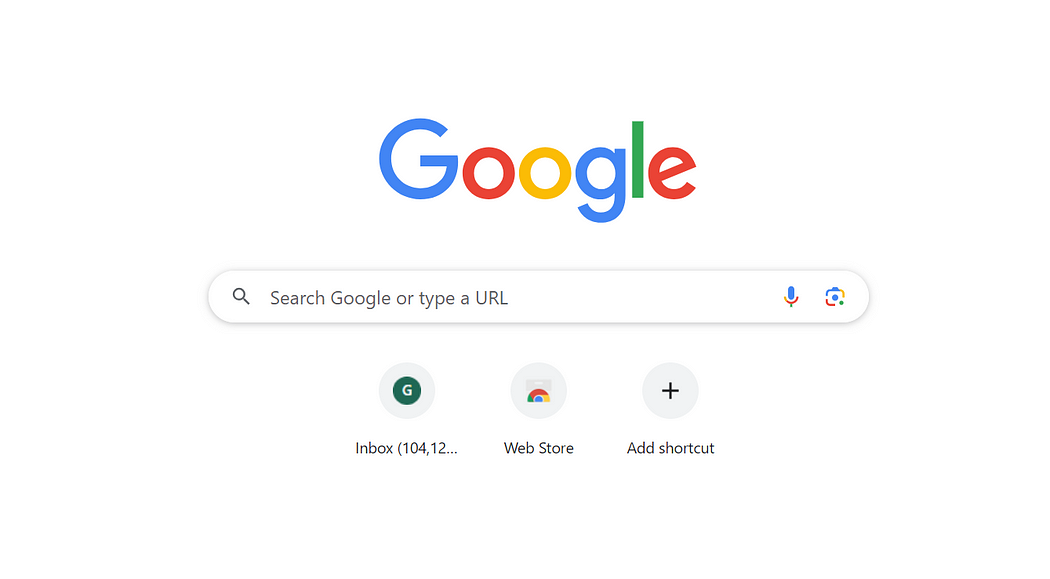
Google’s Homepage is a masterclass in simplicity.
So, how can we make our SaaS products just as accessible? Start by focusing on the essentials. What is the one thing your product does that your users care about the most? Make that as straightforward as possible. Use clear, simple language for labels and instructions, design intuitive navigation that guides users through your product without confusion, and always test with a diverse group of users to ensure what you’re building really does work for everyone.
Seeing the Full Spectrum
Good design isn’t just about looking nice; it’s crucial for making sure everyone can easily see and understand your product. This includes thinking about folks who might not see colors the same way or might need bigger text to read comfortably.
The BBC takes this seriously on their website, using colors that stand out clearly from each other and big, easy-to-read fonts. This thoughtful approach means people with different visual abilities can still use their site, showing that when you design with everyone in mind, you open up your content to a wider audience.
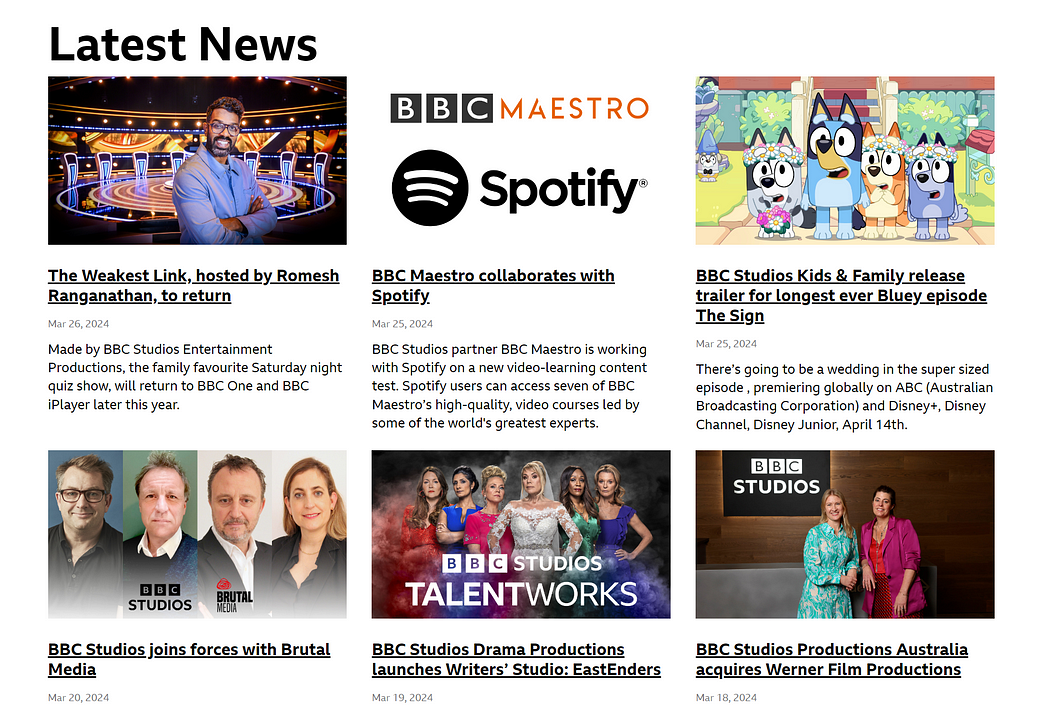
The BBC Homepage has a clean layout with proper usage of fonts, colours and image placement.
For your SaaS product, start by checking the colors you use. Make sure there’s enough contrast between text and background so everyone can read without straining. And don’t forget to use fonts that are clear and big enough to be seen easily. Making these changes, inspired by the BBC, helps ensure your product is welcoming and accessible to all users, no matter how they see the world.
Hearing Every User
Making sure everyone can hear or understand your digital content is more important than ever, especially with the rise of videos and podcasts. It’s not just about reaching a wider audience; it’s about ensuring no one is left out. Closed captions and transcripts might seem like small details, but they’re crucial for users who are deaf or hard of hearing, turning these tools from nice-to-have features into necessities.
YouTube shows us how it’s done. They’ve implemented automatic captions on videos, a move that has opened up countless hours of content to those who might not be able to hear it. While these auto-generated captions aren’t perfect, they mark a significant effort toward making content universally accessible. This feature doesn’t just benefit users with hearing impairments; it also helps viewers in loud environments or those who prefer reading over listening.

YouToube’s use of auto-generated captions makes it accessible for people with hearing impairments.
So, how can we follow in YouTube’s footsteps with our SaaS products? Start by ensuring that any audio or video content you create or host comes with the option for closed captions or transcripts. Engage with technologies or services that can help automate this process, but also allow for manual checks or corrections to ensure accuracy.
Interacting with Care
Making sure everyone can easily use your product, whether they click, type, or tap, is important. It’s about offering ways to navigate and interact that fit all kinds of users, especially those with different physical abilities.
Apple shows us how it’s done with features like VoiceOver and Switch Control in iOS. These tools let users interact with their devices in the best way for them, setting a high standard for thoughtful design. VoiceOver helps those who can’t see the screen by reading information aloud, while Switch Control is for users who find traditional interactions challenging, allowing them to navigate using switches.
To bring this level of care to your SaaS product, consider various interaction methods. It’s about more than just making things work; it’s ensuring everyone can access and enjoy your product without hurdles. Taking cues from Apple, think about including alternative navigation options in your design, like keyboard shortcuts, touch gestures, or voice commands, to accommodate all users. This not only improves accessibilty but shows that you value every user’s experience.
Ensuring Content Clarity and Readability
Making your product’s information easy to understand is crucial. Everyone, no matter their background or skill level, should be able to use your product without getting confused. This means using simple words, and short sentences, and breaking down complex ideas so everyone can grasp them.
A great example is Shopify. They sell online, but they talk like a friendly guide, using clear, straightforward language. They avoid complicated terms, making it easier for everyone, from beginners to pros, to understand how to set up their online store.
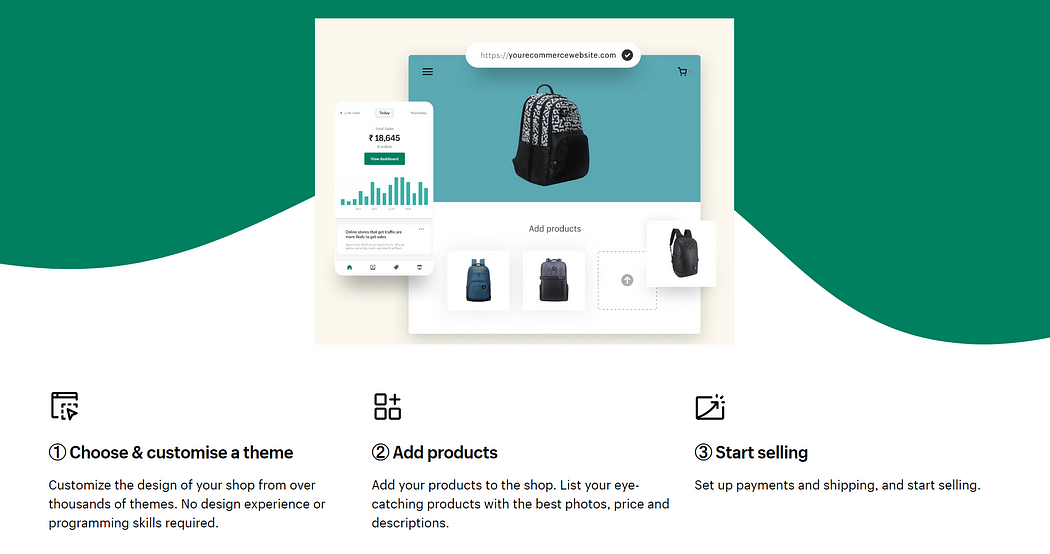
Shopify’s use of simple, conversational language makes users feel at home on its web page.
To make your SaaS as clear as Shopify, review your content as if you’re seeing it for the first time. Ask, “Would my grandma understand this?” Use everyday language and organize your information so it guides users naturally from one step to the next. Remember, the goal is to make your product not just functional but welcoming and accessible to all.
Mobile-First for Maximum Inclusivity
Designing your product with a mobile-first approach ensures it’s accessible and enjoyable for everyone, especially considering how many users primarily rely on their phones for internet access.
Instagram started as a mobile app, focusing on delivering a top-notch experience for smartphone users. This mobile-first strategy made it super user-friendly, ensuring features like photo sharing and messaging worked seamlessly on smaller screens. Instagram’s success highlights the importance of optimizing for mobile to reach and engage a wide audience.
For your SaaS, adopting a mobile-first design means thinking about how users will interact with your product on their phones right from the start. It’s about making sure every feature is easy to use on a touch screen and that your app loads quickly and looks great on a small display. By prioritizing mobile accessibility, you open up your product to a broader, more diverse user base, ensuring no one is left behind because they prefer or need to use a mobile device.
Fostering a Welcoming Environment for Feedback
Creating a space where users feel comfortable sharing their thoughts and experiences with your product is essential. This feedback is invaluable for improving and making your SaaS more inclusive. It’s about more than just collecting suggestions; it’s building a relationship where users know their voices are heard and valued.
Slack is known for its active engagement with user feedback. They don’t just wait for users to report issues or suggest features; they actively seek out opinions through various channels, including social media, user forums, and direct communications within the app. Slack shows that they’re listening by often implementing changes based on this feedback, which they communicate back to their community, reinforcing that each user’s input can lead to real improvements.
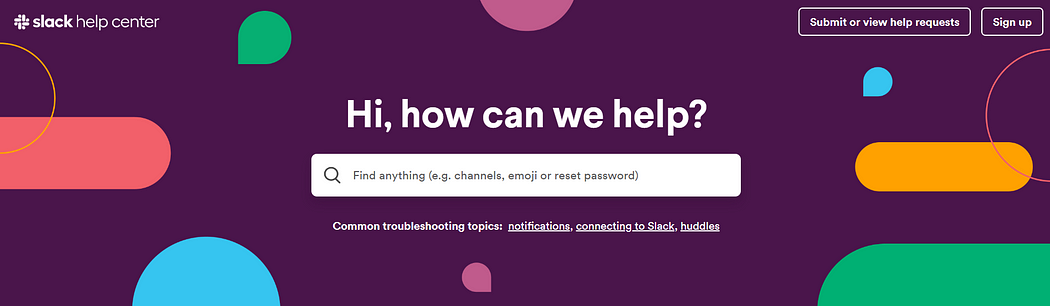
Slack simplifies the process of receiving user feedback right from its web page to other channels.
To create a similar environment in your SaaS, start by making it easy for users to give feedback. This could mean setting up dedicated feedback forms, encouraging discussion in community forums, or simply being responsive on social media. The key is not just to collect feedback but to act on it and let your users know their input has made a difference. This kind of open dialogue can transform casual users into loyal advocates, deepening their connection to your product and brand.
Wrapping It Up
Inclusion isn’t just a step in the design process; it’s the foundation of creating products that truly resonate with everyone. By embedding inclusive principles from the start, we ensure our SaaS solutions are accessible, enjoyable, and valuable for a diverse audience. It’s about recognizing the variety of ways people interact with technology and making sure no one is left behind.
Incorporating practices that consider all users, like Microsoft’s approach to the Xbox Adaptive Controller, sets a standard for what inclusive design can achieve. It’s not just about meeting accessibility guidelines; it’s about thinking deeply about our users, their challenges, and how we can make their experiences better.
Ultimately, designing inclusively is not just good ethics; it’s good business. It broadens your product’s appeal and builds a stronger connection with users. By committing to inclusive design, we’re not only improving our products but also making a positive impact on people’s lives, ensuring technology is a tool for empowerment, not exclusion. Let’s make the digital world welcoming for everyone.

References:
https://www.cognitiveclouds.com/insights/saas-design-principles
https://arounda.agency/blog/what-is-inclusive-design-main-principles-and-patterns
https://www.toptal.com/designers/ui/inclusive-design-infographic
https://acodez.in/principles-of-inclusive-design/